Creating a Powerful Photography Portfolio: A Keynote Presentation Guide
In today's digital age, having a strong photography portfolio is more than just a collection of images—it's a professional statement that showcases your skills, creativity, and vision. Whether you're an aspiring photographer, a seasoned pro, or someone looking to transition into the field, building an effective portfolio is essential. This article explores how a photography portfolio keynote presentation can help you present your work in a compelling and professional manner.
What Is a Photography Portfolio?
A photography portfolio is a curated collection of your best work that highlights your style, technical ability, and creative process. It serves as a visual resume, allowing potential clients, employers, or collaborators to quickly understand your capabilities and artistic direction.
Traditionally, portfolios were physical books or albums, but with the rise of digital platforms, they have evolved into online galleries, websites, and even keynote presentations. These modern formats offer greater accessibility, flexibility, and interactivity, making them ideal for showcasing your photography in a dynamic way.
The Role of a Keynote Presentation in Your Portfolio
A photography portfolio keynote presentation is a powerful tool for presenting your work in a structured and engaging format. Unlike static websites or simple image galleries, a keynote presentation allows you to tell a story with your photographs, guiding the viewer through your creative journey.
Keynote presentations are particularly useful for:
- Client pitches: Showcase your work in a professional setting.
- Portfolio reviews: Present your projects to mentors or peers for feedback.
- Workshops and seminars: Share your insights and techniques with others.
- Job applications: Demonstrate your skills and experience effectively.
Why Use a Keynote Presentation?
Keynote presentations offer several advantages over traditional portfolio formats:
- Visual storytelling: You can use text, images, and animations to create a narrative around your work.
- Interactivity: Viewers can engage with your slides, ask questions, and explore your work in real time.
- Professional polish: A well-designed presentation gives your portfolio a polished, professional look.
- Flexibility: You can customize each slide to highlight different aspects of your work.
Choosing the Right Template for Your Portfolio
Designing a keynote presentation from scratch can be time-consuming, especially if you're new to graphic design. That's where templates come in handy. They provide a ready-made structure that you can customize to suit your needs.
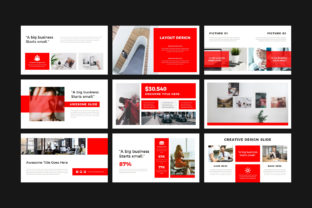
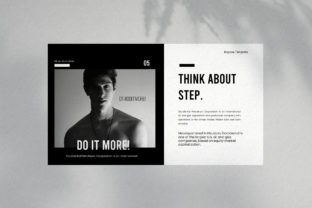
This particular photography portfolio keynote template is designed with simplicity and functionality in mind. It features:
- 16 pages with a multipurpose layout suitable for various types of photography.
- 16 master slides that allow for consistent design across your presentation.
- Drag-and-drop functionality, making it easy to add and rearrange content.
- Bright, clean design that enhances readability and visual appeal.
- Support for images that can be easily inserted and customized.
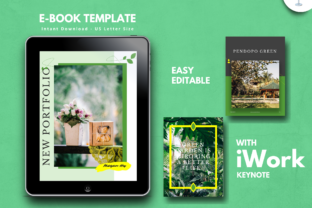
Additionally, this template is compatible with Keynote and includes a quick guide to help you get started. The font used in the template is also free and requires installation before opening the file, ensuring that your presentation looks great on any device.
Who Should Use This Template?
This template is perfect for:
- Newcomers to self-publishing who want to create a professional-looking portfolio without design expertise.
- Photographers looking to showcase their work in a structured and visually appealing way.
- Business professionals who need to present their brand or services through a visual medium.
- Students or educators who want to demonstrate their creative abilities in a classroom or workshop setting.
How to Customize Your Presentation
While the template provides a solid foundation, customization is key to making your presentation truly unique. Here are some tips to help you tailor your keynote presentation:
1. Choose a Theme That Reflects Your Style
Your portfolio should reflect your personal or brand identity. Select colors, fonts, and layouts that align with your aesthetic. For example, a minimalist portfolio may use a clean, white background with bold typography, while a more artistic portfolio might incorporate vibrant colors and abstract designs.
2. Organize Your Content Effectively
Structure your presentation logically. Start with an introduction that outlines your purpose and goals, then move on to showcase your work in a coherent sequence. You might group your photos by theme, subject, or technique to make your presentation easier to follow.
3. Add Captions and Descriptions
Each image in your portfolio should have a caption or description that explains its context, inspiration, or significance. This adds depth to your presentation and helps viewers understand your creative process.
4. Include Multimedia Elements
Enhance your presentation with multimedia elements such as videos, sound effects, or animations. These can bring your work to life and make your presentation more engaging.
Common Misconceptions About Photography Portfolios
There are several misconceptions about what a photography portfolio should look like. One common belief is that it must be extremely large or contain thousands of images. In reality, a strong portfolio is curated—it should feature only your best work, not every photo you've ever taken.
Another misconception is that a portfolio must be highly technical or overly complex. While professionalism is important, the goal is to communicate your message clearly and effectively. A well-designed, user-friendly portfolio can often be more impactful than one that is overly complicated.
Putting It All Together: Building Your Photography Portfolio
Building a successful photography portfolio involves more than just selecting good images. It requires careful planning, thoughtful design, and effective storytelling. Here's a step-by-step guide to help you create your own:
- Define your purpose: Are you creating a portfolio for clients, a job application, or personal growth?
- Curate your images: Select 10–15 of your best photos that represent your style and skill level.
- Choose a template: Pick a template that aligns with your goals and aesthetic preferences.
- Customize your presentation: Add text, captions, and multimedia elements to enhance your work.
- Review and refine: Make sure your presentation flows smoothly and communicates your message clearly.
- Share your portfolio: Use social media, networking events, or online platforms to reach your audience.
Conclusion
A photography portfolio keynote presentation is a powerful tool for showcasing your work and communicating your creative vision. With the right template, you can create a professional, engaging, and visually stunning presentation that highlights your skills and sets you apart from the competition.
Whether you're just starting out or looking to elevate your portfolio, investing time in creating a well-designed keynote presentation can pay off in countless ways. By following the tips and strategies outlined in this article, you'll be well on your way to building a compelling and impactful photography portfolio.