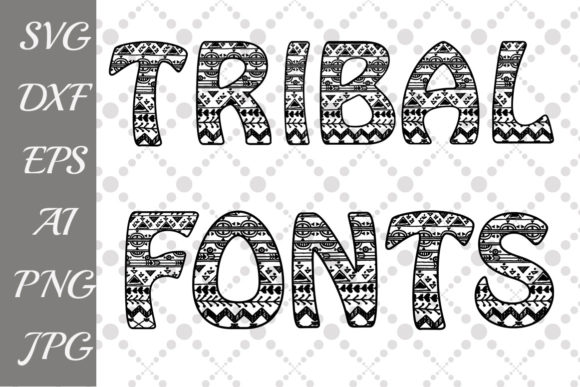
Exploring the World of Tribal Fonts and the Aztec Alphabet: A Creative Design Resource
The intersection of ancient symbolism and modern design has given rise to unique typographic elements that resonate with both historical depth and contemporary creativity. Among these, Tribal Fonts and the Aztec Alphabet stand out as powerful tools for designers, crafters, and creators looking to infuse their work with cultural significance and visual appeal. These fonts are not just decorative—they are rich in meaning, offering a bridge between past traditions and present-day applications.
The Cultural Significance of Tribal Fonts
Tribal Fonts are a broad category of typographic styles that draw inspiration from indigenous cultures around the world. These fonts often feature bold outlines, intricate patterns, and stylized characters that reflect the aesthetics and values of the communities they represent. Unlike traditional Western typography, which emphasizes clarity and uniformity, Tribal Fonts prioritize visual storytelling and symbolic representation.
The Aztec Alphabet, specifically, is a fascinating example of this trend. It is derived from the ancient script used by the Aztec civilization, which was primarily used for recording information on codices and other ceremonial artifacts. The symbols in the Aztec Alphabet are not just letters but representations of concepts, events, and even celestial bodies. This makes them particularly valuable for those interested in historical or educational design projects.
When combined, Tribal Fonts and the Aztec Alphabet create a unique typographic language that can be used to convey messages with both artistic flair and cultural authenticity. Whether you're designing a shirt, a greeting card, or a promotional poster, these fonts offer an opportunity to connect with audiences on a deeper level.
Practical Applications in Design and Craft
One of the most exciting aspects of using Tribal Fonts and the Aztec Alphabet is their versatility in various design applications. From fashion to stationery, these fonts can be adapted to suit a wide range of creative needs. Here are some common use cases:
- Craft Products: These fonts are perfect for creating custom t-shirts, tote bags, and other wearable art. Their bold and intricate designs make them ideal for sublimation printing and screen printing techniques.
- Invitations and Cards: Whether it's a wedding invitation or a birthday card, incorporating Tribal Fonts adds a touch of uniqueness and sophistication. The Aztec Alphabet can be especially effective for themed events or cultural celebrations.
- Gift Tags and Wrapping Paper: Small details often make the biggest impact. Using these fonts on gift tags or wrapping paper can elevate the overall presentation of a gift, making it feel more personal and meaningful.
- Business and Marketing Materials: For businesses looking to stand out in a crowded market, incorporating Tribal Fonts into logos, brochures, or social media graphics can help differentiate their brand while also aligning with cultural values.
- Artistic Projects: Artists and illustrators can use these fonts to create visually striking compositions that blend traditional and modern elements. They can be used in digital art, mixed media, or even as part of larger installations.
Each application offers a different way to showcase the beauty and complexity of Tribal Fonts and the Aztec Alphabet. The key is to choose the right font for the context and ensure that it complements the overall design without overwhelming the message.
Design Considerations and Best Practices
While the aesthetic appeal of Tribal Fonts and the Aztec Alphabet is undeniable, there are several important considerations to keep in mind when working with them:
1. Readability: Although these fonts are often used for decorative purposes, it's essential to ensure that the text remains legible, especially when used in smaller sizes or on dark backgrounds. Testing the font in different contexts can help identify any potential readability issues.
2. Cultural Sensitivity: When using symbols from indigenous cultures, it's crucial to approach them with respect and awareness. Understanding the historical and cultural significance of these symbols can help avoid misinterpretation or appropriation.
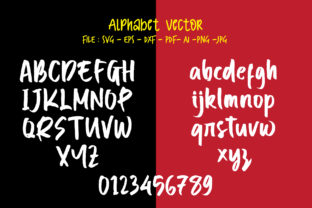
3. File Formats: The download includes 26 letters in multiple formats such as SVG, DXF, AI, EPS, PNG, and JPG. Choosing the appropriate format depends on the specific design software you're using and the intended output. For example, SVG files are ideal for scalable vector graphics, while PNG files are best suited for web-based designs.
4. Customization Options: Many of these fonts allow for customization, enabling users to adjust colors, outlines, and spacing to better fit their project's requirements. Experimenting with different variations can lead to unexpected and creative results.
5. Integration with Other Elements: To create a cohesive design, consider how the font will interact with other design elements such as images, colors, and layout. Balancing the visual weight of the font with the surrounding content is key to achieving a harmonious composition.
Case Studies and Real-World Examples
To illustrate the practical value of Tribal Fonts and the Aztec Alphabet, let's explore a few real-world examples:
Example 1: Custom T-Shirt Design
A local boutique decided to create a line of custom t-shirts featuring Tribal Fonts and the Aztec Alphabet. By using these fonts on the front of the shirts, they were able to create a unique product that appealed to customers interested in cultural and artistic expression. The result was a successful product launch that increased brand visibility and customer engagement.
Example 2: Educational Materials
An educational institution used the Aztec Alphabet in a series of classroom materials designed to teach students about Mesoamerican history. The inclusion of these fonts made the learning experience more engaging and helped students better understand the cultural context of the material.
Example 3: Wedding Invitations
A couple planning a destination wedding incorporated Tribal Fonts into their invitations, using the Aztec Alphabet to add a unique touch to their event. The design reflected their shared interest in cultural heritage and added a memorable element to their wedding day.
Conclusion
Tribal Fonts and the Aztec Alphabet offer a wealth of opportunities for designers, artists, and creators looking to incorporate cultural elements into their work. Whether used for personal projects or commercial applications, these fonts provide a unique and meaningful way to express ideas and connect with audiences. By understanding their characteristics, advantages, and considerations, you can unlock new levels of creativity and innovation in your design process.